free casino games no deposit With so many deposit and withdrawal options available, choosing the right one can be confusing. This article breaks downwardly the florida key features of free casino games to play no deposit to simplify your conclusion.
See also:
When it comes to choosing an online casino in the UK, understanding the ins and outs of banking is absolutely essential for a smooth and secure gaming experience. Deposits and withdrawals make the backbone of your interactions with any casino platform, and knowing what to await can make all the difference between a frustrating session and an enjoyable ane. For UK players in 2026, the landscape of casino payments has evolved significantly, offering a wide regalia of options from traditional debit cards to modern e-wallets and even cryptocurrencies. However, with this variety comes the want for lucidness on cay aspects such as processing times, fees, limits, and the all-important security measures measures that protect your funds and personal information. This guide aims to demystify the entire banking process, providing you with a comprehensive overview of how to manage your money effectively when playing at top UK casinos. Whether you are a seasoned player or fresh to the scene, understanding payment providers, verification procedures, and the nuances of withdrawals will empower you to make informed decisions and avoid common pitfalls. From the bit you decide to fund your account to the point you request a cashout, every step involves critical considerations that can impact your overall experience. We will explore the most popular deposit methods used by UK punters, how long each typically takes to appendage, and any associated costs you might encounter. Equally important is the withdrawal stage, where factors like verification checks and payout speeds follow into play. Many players centering solely on deposits, only to be caught off guard by lengthy withdrawal times or unexpected fees. By arming yourself with the right knowledge, you can select a casino that aligns with your preferences for quick and hassle-free transactions. Additionally, we will delve into the security best practices that reputable UK-licensed casinos employ to safeguard your data. With the UK Gambling Commission (UKGC) scope stringent standards, players can enjoy a level of trade protection that is among the best in the world. Yet, it is stock-still crucial to be aware of how to spot a secure payment gateway, what encryption technologies are used, and why sticking to regulated operators is non-negotiable. We will also cover important topics the likes of currency options, as many UK casinos now support multiple currencies, and the implications of playing in GBP versus other denominations. Furthermore, transaction limits can variegate widely between casinos and payment methods, affecting both high rollers and casual players. Apprehension these limits upfront helps in planning your bankroll management strategy. Another critical aspect is the verification process, often a point of contention for players eager to withdraw their winnings. Knowing what documents you will need to provide and how long the verification typically takes can save you from unnecessary delays. Some casinos offer instant verification through innovative systems, while others may require manual checks that occupy a few days. We will explain how this appendage works and what you can do to expedite it. The world of casino banking is not just virtually moving money; it is about trust, efficiency, and convenience. As the industry continues to innovate, new payment technologies ilk open up banking and faster payment solutions are becoming more prevalent, offering near-instant transactions that were once a dream. However, with these advancements come new considerations regarding privacy and acceptance among operators. For UK players in 2026, the key is to find a balance between speeding, security, and convenience that suits your individual needs. Whether you prefer the familiarity of a Visa debit card or the anonymity of a crypto wallet, each method has its pros and cons that we will examine in detail. We will also look at how deposit bonuses and promotions interact with payment methods, as some offers may be tied to specific deposit options. Understanding these nuances can assist you maximise your value while avoiding any unpleasant surprises. Fees are another expanse where players often get caught out; while many UK casinos boast fee-free transactions, some methods or certain circumstances may still incur charges. We will break down which fees are common and how to avoid them. Moreover, withdrawal times remain a top anteriority for most players, with e-wallets typically offering the fastest payouts, followed by cards and bank transfers. Knowing the typical timeframe for each method allows you to plan your cashouts accordingly. It is also worth noting that some casinos make a pending period before processing withdrawals, which can add to the all in all wait. We will explain why this exists you place a bet it varies between operators. Security is paramount, and we will highlighting the best practices for protecting your account, such as using strong passwords, enabling two-factor authentication where useable, and avoiding public Wi-Fi when making transactions. Additionally, we will discuss the role of the UKGC in regulating payment practices and ensuring that operators treat customer cash in hand with the utmost care. Responsible gambling tools also intersect with banking, as many casinos authorize you to set deposit limits directly through your account settings. This can be a valuable feature for maintaining control over your spending. For those interested in the in style trends, we will touch on the rise of open banking payments, which offer a verbatim and secure way to transfer funds without the need for a card or e-wallet.
Navigating the financial side of meat of online gambling in the UK requires a clear understanding of how deposits and withdrawals office within the stream regulatory frame. As of 2026, UK casinos offer a diverse array of payment methods, from traditional debit cards and bank transfers to modern e-wallets, prepaid cards, and even cryptocurrencies, though the latter remain topic to strict UK Gambling Commission oversight. The key is to choose a method that balances convenience, speed, and security. Most casinos now process deposits instantly, allowing players to start gaming without delay, while withdrawal times variegate significantly depending on the method chosen. E-wallets and certain cryptocurrencies hold set the benchmark for speed, often completing payouts within 24 hours, whereas bank transfers and card withdrawals may take three to five business days. Savvy these nuances helps players deal their bankroll effectively and dodge unnecessary thwarting.
One of the most vital steps in the casino banking process is the Know Your Customer (KYC) verification, which has suit increasingly stringent under UKGC regulations. Before any withdrawal can be processed, players must provide trial impression of identity, reference, and sometimes the source of funds. This typically involves uploading a passport or driving licence, a recent utility bill or bank statement, and, for larger transactions, evidence of income or wealthiness. While this may seem intrusive, it is unintentional to forbid money laundering, underage gambling, and fraud. The best approach is to complete verification straightaway upon registering, sort of than waiting for a withdrawal postulation, as this can significantly delay access to your finances. Many top UK casinos now offer digital verification through secure portals, speeding up the process to as little as a few hours. Failure to furnish compliant documents can ensue in prolonged delays or even accounting suspension, so attention to point is essential.
When it comes to cashing out, players should be aware of the specific policies that vary across casinos. Withdrawal limits are common, with daily, weekly, or monthly caps applied to protect both the player and the operator. For high rollers, these limits can be restrictive, so it is isaac mayer wise to check before committing to a land site. Additionally, some payment methods carry transaction fees, though many UK casinos have moved to absorb these costs to remain competitive. E-wallet withdrawals are typically fee-free, while bank transfers may incur a small charge. The processing time also includes a pending period, during which the casino reviews the withdrawal bespeak; this can set out from instant to 72 hours. At one time approved, the actual transfer time depends on the payment provider. Payout speeds have become a key differentiator among casinos, with instant withdrawal casinos gaining popularity for their ability to release winnings within transactions. However, these often require the use of specific e-wallets or cryptocurrencies. Savvy these variables allows players to choose the most efficient route to their winnings.
Granted the financial nature of casino transactions, security is paramount. UK-licensed casinos are required to apply advanced encryption technologies, such as SSL (Secure Socket Layer) protocols, to protect raw data during transmission. Players should also adopt best practices, including using strong, unique passwords, enabling two-factor authentication (2FA) where available, and ensuring they are playing on a secure internet connection. Public Wi-Fi networks should be avoided for financial transactions. Another important aspect is currency management. While most UK casinos manage in GBP, some offer multi-currency accounts, which can be beneficial for international players or those dealing in cryptocurrencies.
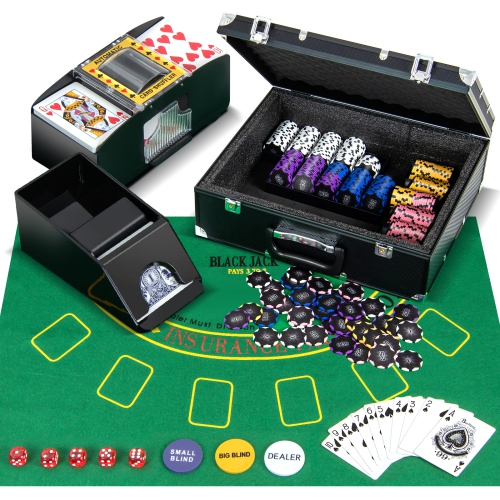
lotto 649 casino 2026 — lotto 649 casino tickets
At one time you request a withdrawal, the casino will call for you to validate your identity before processing the payment. This is a mandatory step under UK Gambling Commission regulations to prevent dupery and money laundering. You will need to submit clear copies of a government-issued photo ID (passport or driving licence), a recent utility measure or bank statement showing your name and address (dated within the last three months), and possibly the look and rear of the payment method used for deposits. The verification team typically reviews documents within 24 to 48 hours, though during peak times it may take up to 72 hours. To avoid delays, secure all documents are legible, in colour, and fit the details on your account exactly. Once verified, your future withdrawals will be processed faster, but the casino may quest additional verification periodically.
Specifically, when submitting your ID, make sure the picture is clear and the document number is visible. For usefulness bills, accept only when gas, electrical energy, water, or council tax bills; mobile phone bills are not always accepted. Bank statements must show transaction history, not just a summary. The payment method verification typically requires a photo of the card with the first of all six and lowest four digits visible, or a screenshot of the e-wallet account showing your name and email. Some casinos also require a selfie holding your ID next to your face, known as a 'liveness check'. If documents are rejected, you will receive an email explaining the intellect, such as poor image calibre or mismatched address. You can then resubmit corrected documents. The entire process may hook on to 72 hours if multiple rounds are needed. To fastness things up, upload all documents in a single compliance and use high-resolution scans or photos. Additionally, ensure your business relationship name matches the ID exactly; nicknames or middle initials can make rejection. Once verified, your withdrawal will be processed within the casino's stated timeframe, typically 1-5 business sector days. Maintain copies of all submitted documents for your records, as casinos may request them again for large withdrawals or after a period of inactivity. Finally, note that verification is a one-time process for most casinos, but some may require re-verification every six months or if you change your personal details.
Casinos featuring free casino games no deposit usually attract high-volume players.
When funding your casino accounting, savvy deposit fees and limits is essential for managing your bankroll effectively. Most Canadian-friendly online casinos aim to provide fee-free deposits for popular methods like Interac e-Transfer, Visa, Mastercard, and Instadebit, though it is always wise to check the cashier page for any nominal charges that may apply. Minimum deposit amounts typically range from $10 to $20, which suits casual players and high rollers alike, while maximum deposit limits can variegate significantly by payment method and the casino's internal policies. For e-wallets like PayPal or Skrill, some platforms may impose a small per centum fee (often waived for loyalty computer program members), and certain prepaid cards might have a fixed fee per dealing. In Canada, deposits made in Canadian dollars generally avoid currency conversion costs, but if you fund your account in US dollars or another foreign currency, the casino’s exchange rate and any spiritual rebirth fees will apply. Additionally, many casinos set daily, hebdomadal, or monthly deposit caps to promote responsible gambling; for illustration, you might see a daily limit of $5,000 or a weekly cap of $20,000, though these can often be adjusted by contacting help desk. Excellent rollers may find special arrangements or VIP deposit limits that authorize larger sums. E'er review the terms linked to each payment method on the casino’s banking page, as fees can change without notice. Some newer payment options like cryptocurrency (e.g., Bitcoin, Ethereum) may offer zero deposit fees but come with blockchain network fees that fluctuate based on demand. For Interac e-Transfer, most Canadian casinos absorb the dealing cost, making it a cost-effective choice for house servant players. Ultimately, choosing a method with no deposit fees and limits that match your playing style helps maximize your funds for gaming rather than paying unnecessary charges.
Withdrawing your winnings is the moment every customer anticipates, but fees and limits can impact the amount you in reality receive. In the Canadian market, withdrawal fees motley widely by payment method and casino insurance policy. E-wallets such as Interac e-Transfer often boast zero withdrawal fees, though some casinos may charge a small flat fee (e.g., $2-$5) for processing, especially for amounts below a certain threshold. Bank transfers, both wire and online, may incur higher fees—sometimes $10 to $30—plus intermediary bank charges if the transfer is international. Cheques are uncommon but can carry hefty fees and long processing times. Withdrawal limits are typically more restrictive than deposit limits, designed to manage the casino’s liquidity and prevent money laundering. Minimum withdrawal amounts usually sit between $20 and $50, while maximums per transaction can range from $500 to $10,000 for regular players, with higher limits for VIPs. Daily, weekly, or monthly caps also apply; for instance, a casino might authorize up to $2,000 per week or $8,000 per month, after which withdrawals are held until the next period. Processing times affect when limits reset: once a withdrawal is pending, it counts against your current limit until approved. Some casinos implement a zero-fee insurance on the first withdrawal each month, then file for subsequent ones. Cryptocurrency withdrawals often have network fees (e.g., Bitcoin transaction fees) that vary with blockchain congestion, and some casinos pass these costs to the player. It is crucial to validate the withdrawal policy before depositing, as hidden fees can eat into your winnings. Verification (KYC) is typically required before the first withdrawal, and failure to abide by can delay payouts. Canadian players should prioritize casinos that clearly disclose all withdrawal fees and limits in their terms and conditions, ensuring transparency.
Currency conversion can silently erode your budget if you play at an international casino that does not assist Canadian dollars. Many reputable casinos catering to Canadian players offer calculate balances in BLACKGUARD, which eliminates rebirth fees on deposits and withdrawals. However, if you choose to play in USD, EUR, or another currency, the casino will hold its have change rate, usually with a markup of 2% to 5% above the interbank rate. Additionally, your bank or payment provider may charge a foreign transaction fee (typically 1% to 3%) when converting currency, leading to double costs.
slots for play 2026 — best slots for play
When it comes to safeguarding your financial and personal details, top-tier casinos in New Zealand employ advanced encryption protocols, typically 256-bit SSL (Secure Socket Layer) technology. This is the same level of security used by major banks and government institutions, ensuring that any data transmitted between your gimmick and the casino’s servers is scrambled into an unreadable format that cannot be intercepted by third parties. This encryption is applied not only to financial transactions but also to personal information such as your name, computer address, and escort of birth, ensuring that all sensitive data remains confidential. Beyond encryption, reputable operators also implement firewalls, intrusion detection systems, and regular security audits conducted by independent third-party firms. These audits check that the casino’s security measures are up to date and effective against evolving cyber threats, and they often include incursion testing to assume cyberattacks and describe possible vulnerabilities. Additionally, many casinos offer two-factor authentication (2FA) as an optional but recommended layer of trade protection for your account. By requiring a endorse verification step—such as a cipher sent to your mobile phone—2FA significantly reduces the risk of unauthorised access, even if your password is compromised. Some casinos also allow you to set up a unique PIN or security interrogation for additional verification when contacting support or making withdrawals. For Kiwi players, it’s essential to check that the casino you choose displays clear information about its security certifications and data protection policies. Appear for mentions of PCI DSS compliance, which applies to any business that handles credit card transactions, and guarantee the casino’s privacy insurance policy explains exactly how your data is stored, used, and shared. This policy should specify whether your data is shared with third parties, how long it is retained, and what rights you have to access or delete it. While no online platform can guarantee absolute security, these measures collectively create a robust barrier against fraud and cybercrime, giving you peace of head when depositing or withdrawing finances. It’s also wise to verify that the casino uses secure servers located in jurisdictions with strict data protection laws, such as the European Union or New Zealand itself, as this adds an duplicate layer of sound protection for your information.
A critical component of casino security is the Know Your Customer (KYC) process, which is mandatory for all licensed operators in New Zealand. This procedure is designed to verify your identicalness, age, and location, ensuring that you are de jure allowed to gamble and that your funds are not derived from illicit activities. When you first of all register, you will typically be asked to offer proof of individuality—such as a passport or device driver’s licence—along with proof of address, like a recent public utility company bill or bank statement. Some casinos may also require a selfie or a streamed video call to reassert that the documents match the person using the calculate. This additional step helps prevent identity theft and ensures that the person creating the account statement is the legitimate owner of the documents. While this might seem intrusive, it is a effectual requirement under the Anti-Money Laundering and Countering Financing of Terrorism Act 2009, which applies to all financial institutions in New Zealand, including online casinos. This act mandates that casinos implement robust customer due diligence measures to prevent money laundering and terrorist financing. The verification process is usually completed within 24 to 48 hours, but it can occupy longer if there are discrepancies or if you want to resubmit documents. To speeding things up, secure that your documents are clear, legible, and within the validity period. It’s also worth noting that casinos conduct periodic re-verification, especially if you request a large withdrawal or modify your payment method. This ongoing scrutiny helps protect both the operator and you from fraud. Always use a secure method to upload your documents—most casinos offer an encrypted upload portal—and never get off sensitive information via email. By complying with KYC processes, you chip in to a safer gambling environment, and you also ensure that your withdrawals are processed without unnecessary delays. Additionally, some casinos may require you to verify your payment method, such as providing a photo of your credit card or e-wallet screenshot, to ensure that the funds are being transferred to the rightful proprietor. This extra stair is especially common for first-time withdrawals or when using recent payment methods.
Choosing the right payment method is not simply about convenience; it’s also a matter of protection. In New Zealand, the most trusted and secure options include credit entry and debit cards from major providers ilk Visa and Mastercard, as wellspring as e-wallets such as Skrill, Neteller, and PayPal, which add an extra layer of trade protection by keeping your banking details masked from the casino. Prepaid cards like Paysafecard are also popular because they allow you to load a specific amount of money, limiting your exposure to potential fraud. These cards are not linked to your bank account, so even if the casino is compromised, your primary banking information remains safe. In recent years, bank transfers and direct debit options same POLi have gained traction, but these require you to portion out your banking credentials, so it’s vital to make sure the casino uses a secure, encrypted connection for these transactions.
Withdrawal times vary by payment method; e-wallets often process within 24 hours, while bank transfers and card payments may accept 3–5 business days.
Most reputable casinos do not file fees for standard payment methods, but some providers or currency conversions may incur small charges—always review the cashier insurance policy.
Verification is a effectual requirement under the local gambling regulator regulations to prevent fraud, money laundering, and underage gambling; you must provide a valid ID and test copy of address before your first payout.
The $10 is typically £10, though some platforms may give depress limits for certain payment methods or welcome bonuses.
Always make use of licensed casinos with SSL encryption, choose reputable payment providers, never share your login credentials, and enable two-factor authentication where useable.
Gambling is strictly for adults cured 18 and over. All UK-licensed casinos are regulated by the Gambling Commission (UKGC) to guarantee fair play. If you need to take a break, use GAMSTOP to self-exclude from all licensed sites. For confidential support, contact GamCare via the National Gambling Helpline on 0808 8020 133 or visit BeGambleAware. Always set deposit and time limits before you play, and remember to gamble only for entertainment, never to chase losses.
 Group Coaching Program Planner
Original price was: $45.00.$27.50Current price is: $27.50.
Group Coaching Program Planner
Original price was: $45.00.$27.50Current price is: $27.50.

